


Mission
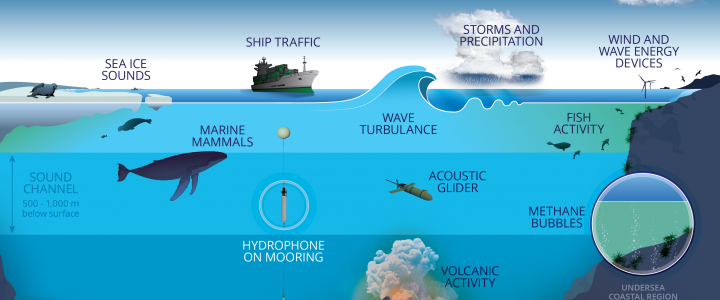
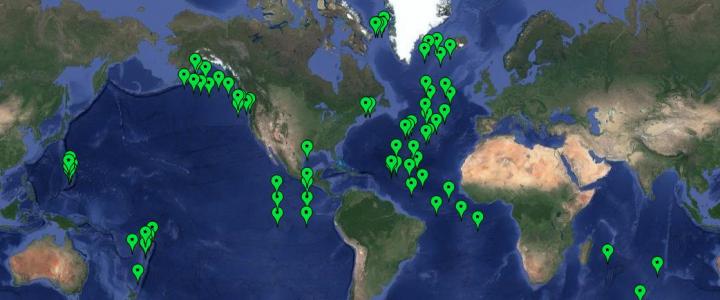
Record and measure geophysical, biological, meteorological, cryogenic and anthropogenic sound sources throughout the global ocean using innovative acoustic technologies and sensor platforms to characterize ocean soundscapes that inform stakeholders and the public on the health of marine ecosystems.
What's New
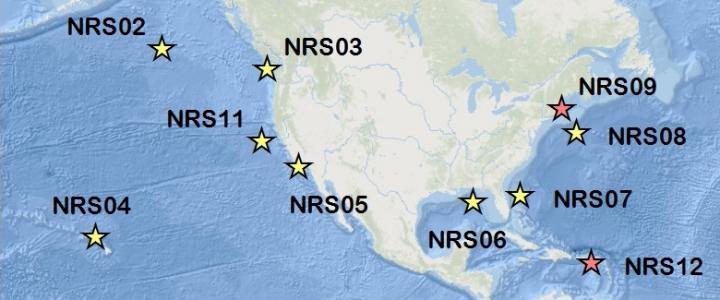
To collect consistent passive acoustic data simultaneously across all major regions of the US, NOAA and the National Park Service scientists have teamed up to create the Ocean Noise Reference Station Network (NRS).
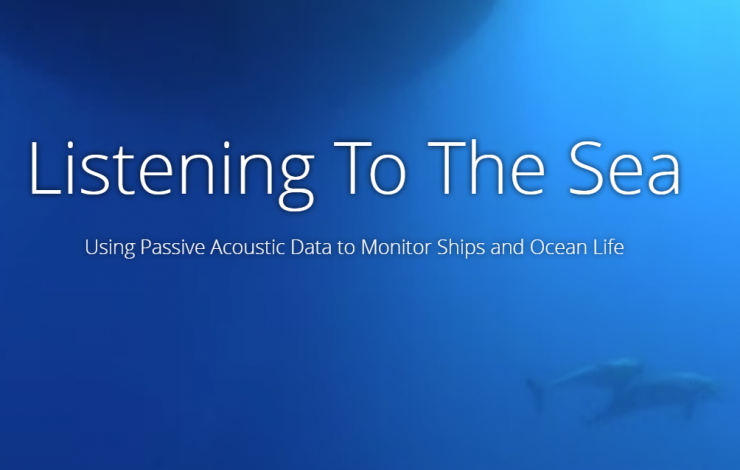
Through vivid imagery and sound clips, NOAA's story map "Listening to the Sea" explores the NRS and its use of passive acoustic instruments to record sound in the ocean.
In the News
New research explores the impact of reduced shipping on Pacific Ocean soundscapes
Was the infamous "bloop" a sea monster? Learn why this noise was a good reminder that we should keep an eye on the South Pole.
Feature Publication
Search all PMEL publications

Photo: Katy Foster/NOAA Fisheries, under permit 18786
New report released by NOAA Northwest Fisheries Science Center and PMEL
Since the 1970s, researchers have used passive acoustic approaches to document the presence of locally occurring killer whales in the Salish Sea ecosystem, including endangered Southern Resident killer whales. The Salish Sea consists of the transboundary inland waters of Washington State and southern... more